Peak District: Bakewell & Buxton
The Peak District became England's first national park in 1951, and its two best-known Derbyshire towns, Bakewell and Buxton, sit at opposite ends of what that status protects: a small riverside market town on one side, a full Georgian spa resort on the other.
Bakewell is best known for the Bakewell pudding — not to be confused with the shop-bought Bakewell tart — a baked pastry case of jam and a soft almond filling, said to have been created by accident in a local kitchen in the 19th century. Several shops in the town centre sell their own version and each claims to hold the original recipe. Beyond the pudding, Bakewell is a working market town with a Monday livestock and general market that's been running for centuries, and it sits within easy reach of Haddon Hall and the Chatsworth estate.
Buxton, higher up in the Peak, grew into a spa town in the 18th century around its naturally warm mineral springs, and the Duke of Devonshire's Crescent, modelled on Bath's Royal Crescent, still dominates the town centre — it was restored and reopened as a spa hotel in 2020 after a lengthy renovation. Opposite the Crescent stands the Buxton Opera House, a working Frank Matcham-designed theatre, alongside the Pavilion Gardens. Buxton also gives its name to the bottled mineral water drawn from the same springs.
Where to Stay in Bakewell & Buxton
-
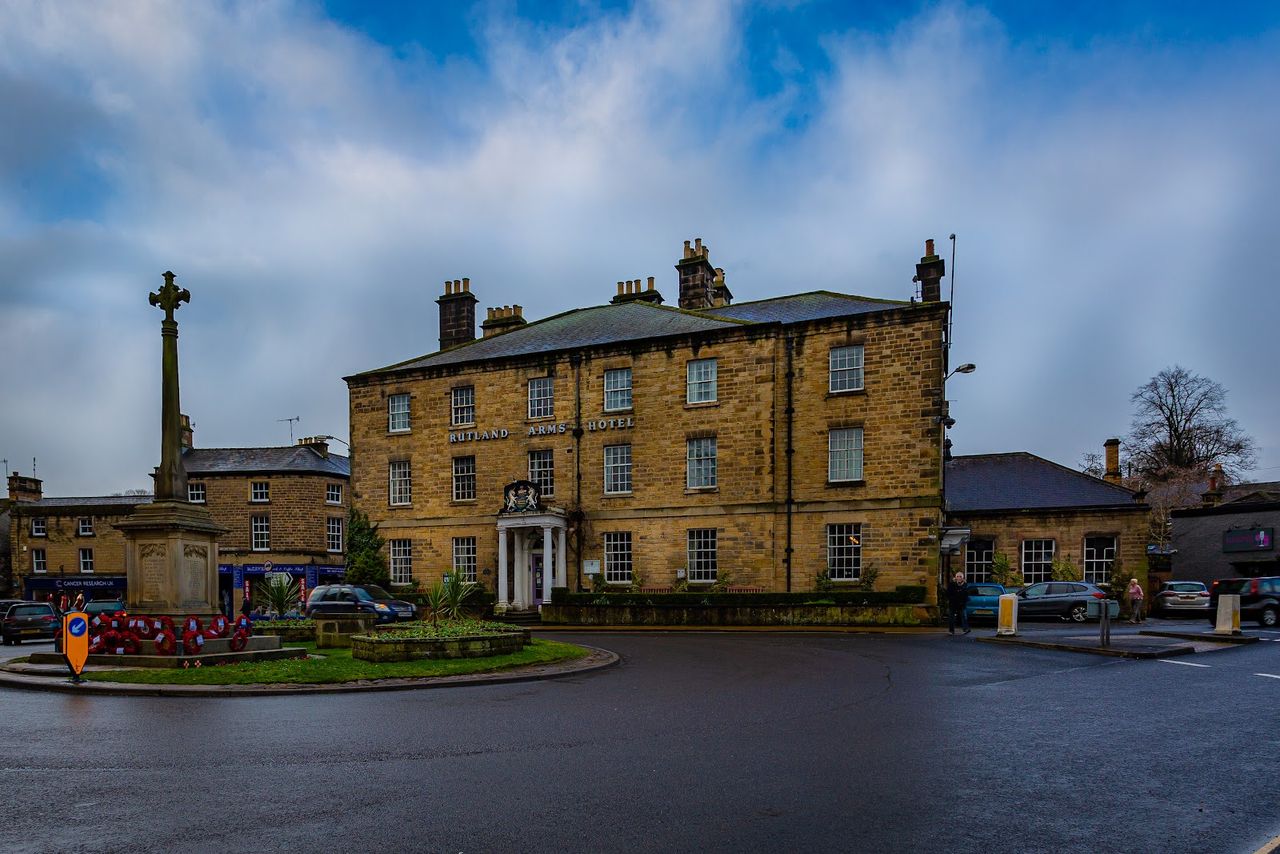 The Rutland Arms Hotel — a Georgian coaching inn in the centre of Bakewell, built in 1804, and reputed home of the first Bakewell pudding.
 -
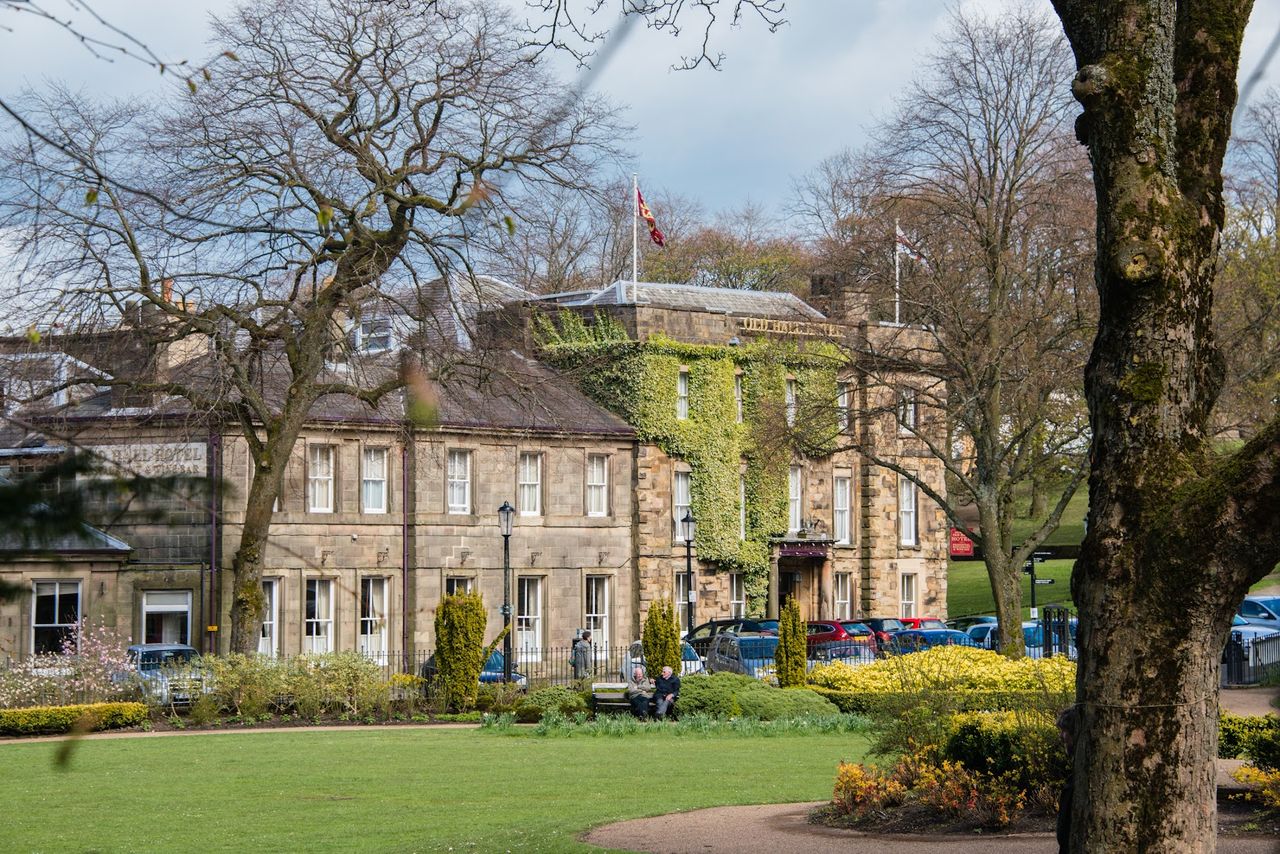 The Old Hall Hotel, Buxton — one of England's oldest hotels, with parts of the building dating back to the 16th century, set opposite the Pavilion Gardens and Opera House.
 - Buxton Crescent Hotel & Spa — a spa hotel inside the restored Georgian Crescent, drawing on Buxton's own thermal spring water.
-
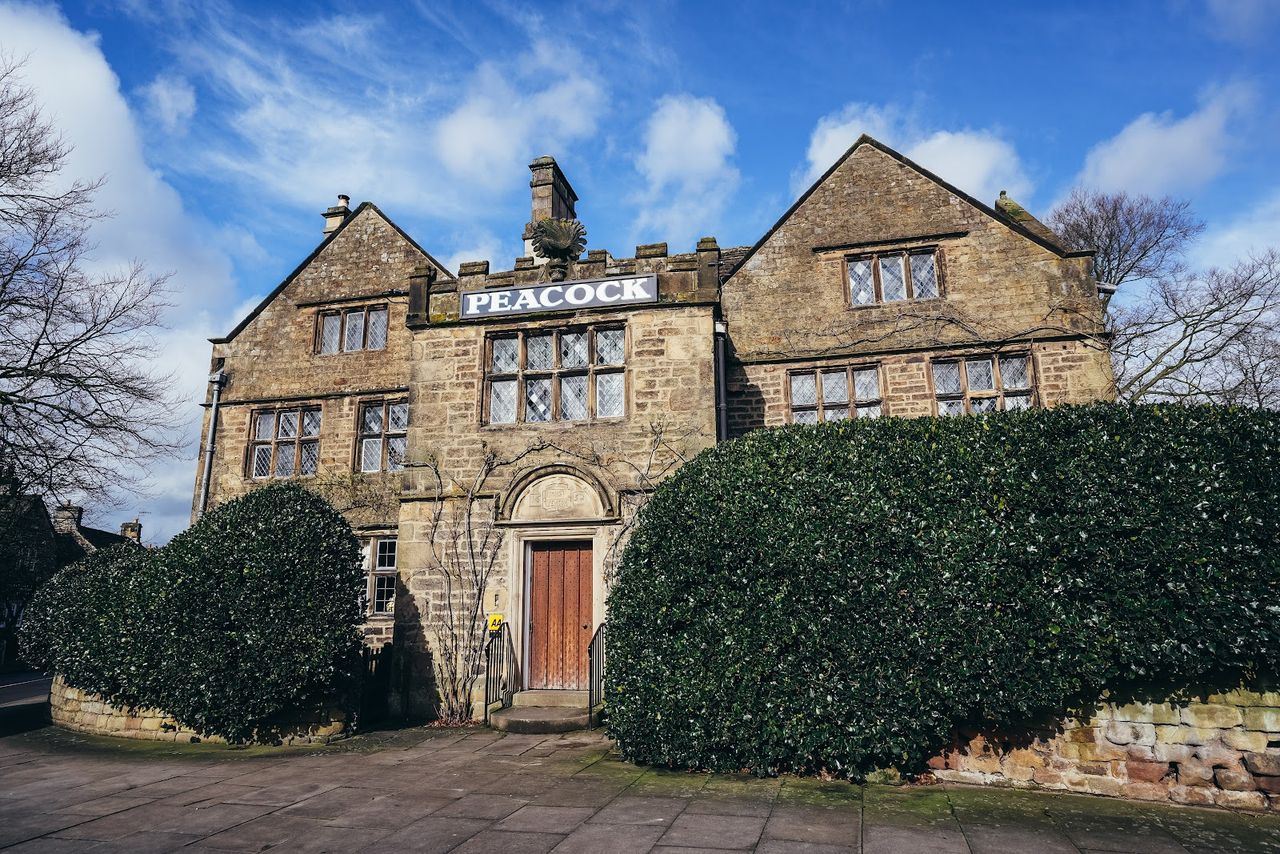 The Peacock at Rowsley — a 17th-century coaching inn between Bakewell and Chatsworth, with a well-regarded restaurant of its own.
 -
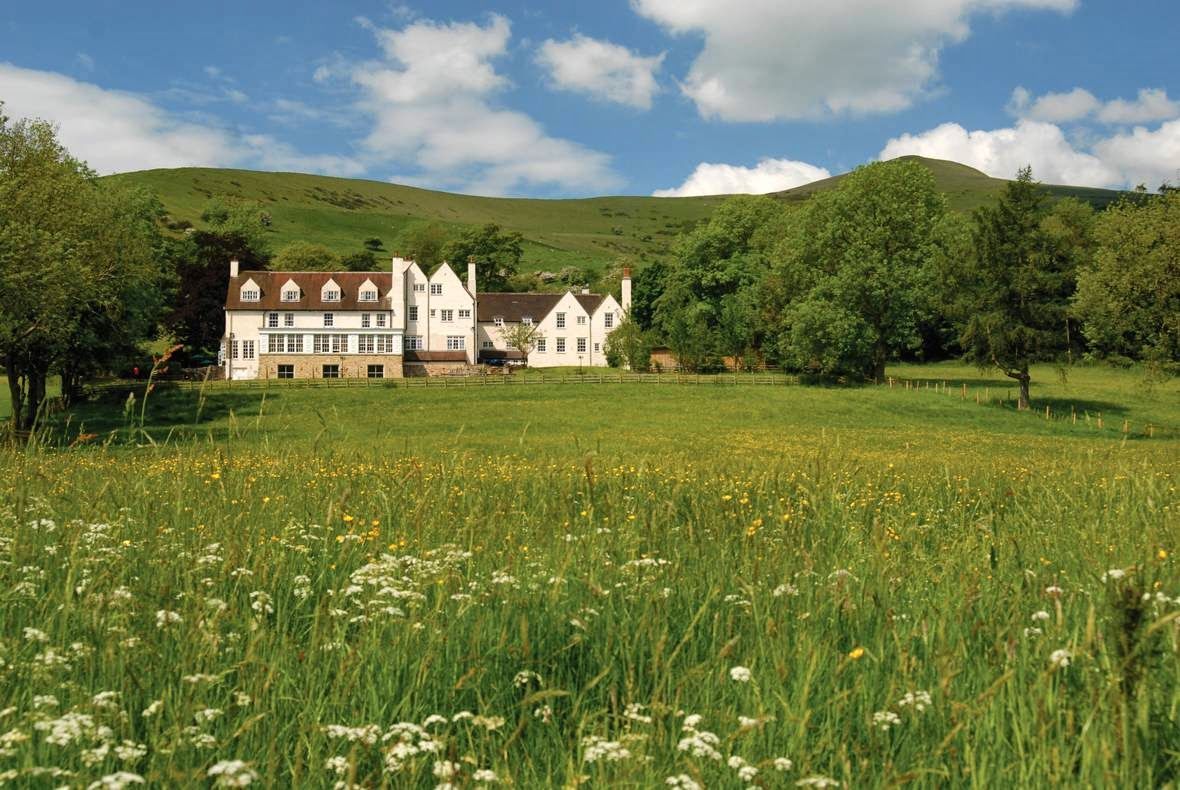 Losehill House Hotel & Spa — a spa hotel above Hope with views across the valley towards Mam Tor and Castleton.
 -
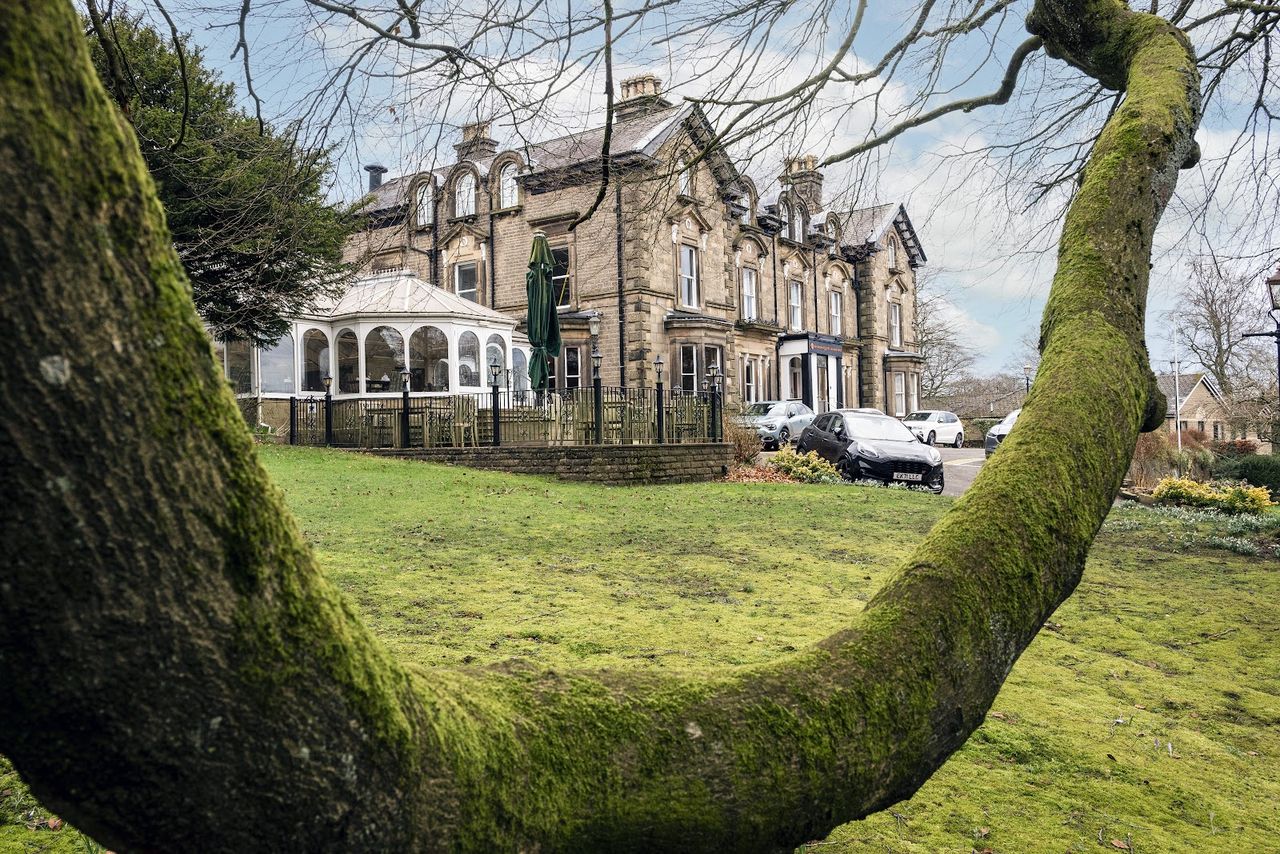 Best Western Plus Buxton Lee Wood Hotel — a well-rated hotel above the town, a short walk up from the Crescent and Pavilion Gardens.
 -
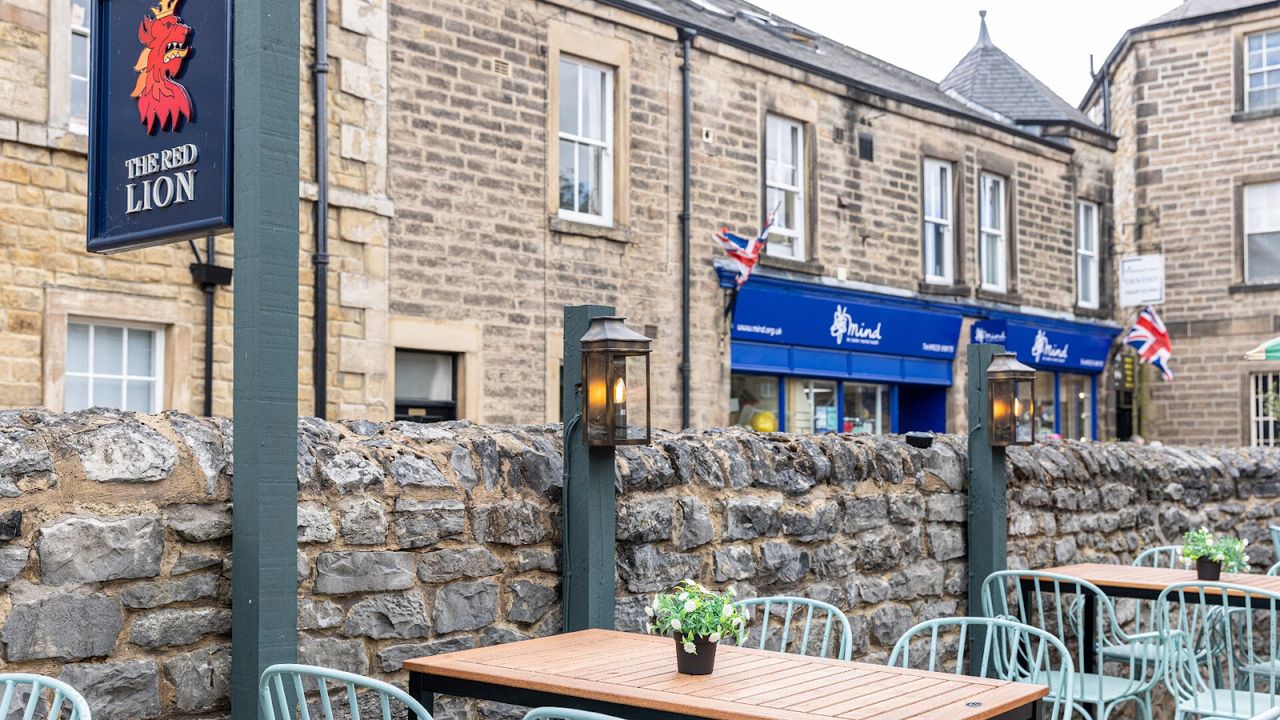 The Red Lion, Bakewell — another of the Square's coaching inns, a few doors from the Rutland Arms.
Getting there
Bakewell has no railway station of its own; the nearest mainline stations are Matlock and Chesterfield, with bus connections onward. Buxton has a direct rail line to Manchester, making it the easier of the two towns to reach without a car.