Derby
Derby is a cathedral city that grew rich on silk, then on the railways, and later on Rolls-Royce — a run of industrial history that's still visible across its centre today.
Derby Cathedral, at the heart of the city, is best known for its 16th-century tower, the tallest cathedral tower in England after those at Lincoln and Norwich, and for a much later addition: the wrought-iron chancel screen by Robert Bakewell. Around it, the Cathedral Quarter's Georgian streets have become the city's main independent shopping and café area.
Down by the river, the Derby Silk Mill occupies the site of Lombe's Mill, built in 1721 and widely credited by historians as the first fully mechanised factory in the world — a claim that underpins Derby's case, alongside the wider Derwent Valley, for the origins of the factory system later exported around the globe. The mill building is now home to the Museum of Making. Derby's railway heritage runs just as deep: the city was a major hub for the Midland Railway from the 1840s, and that history is preserved at the Derby Industrial Museum and around the still-working station.
Where to Stay in Derby
-
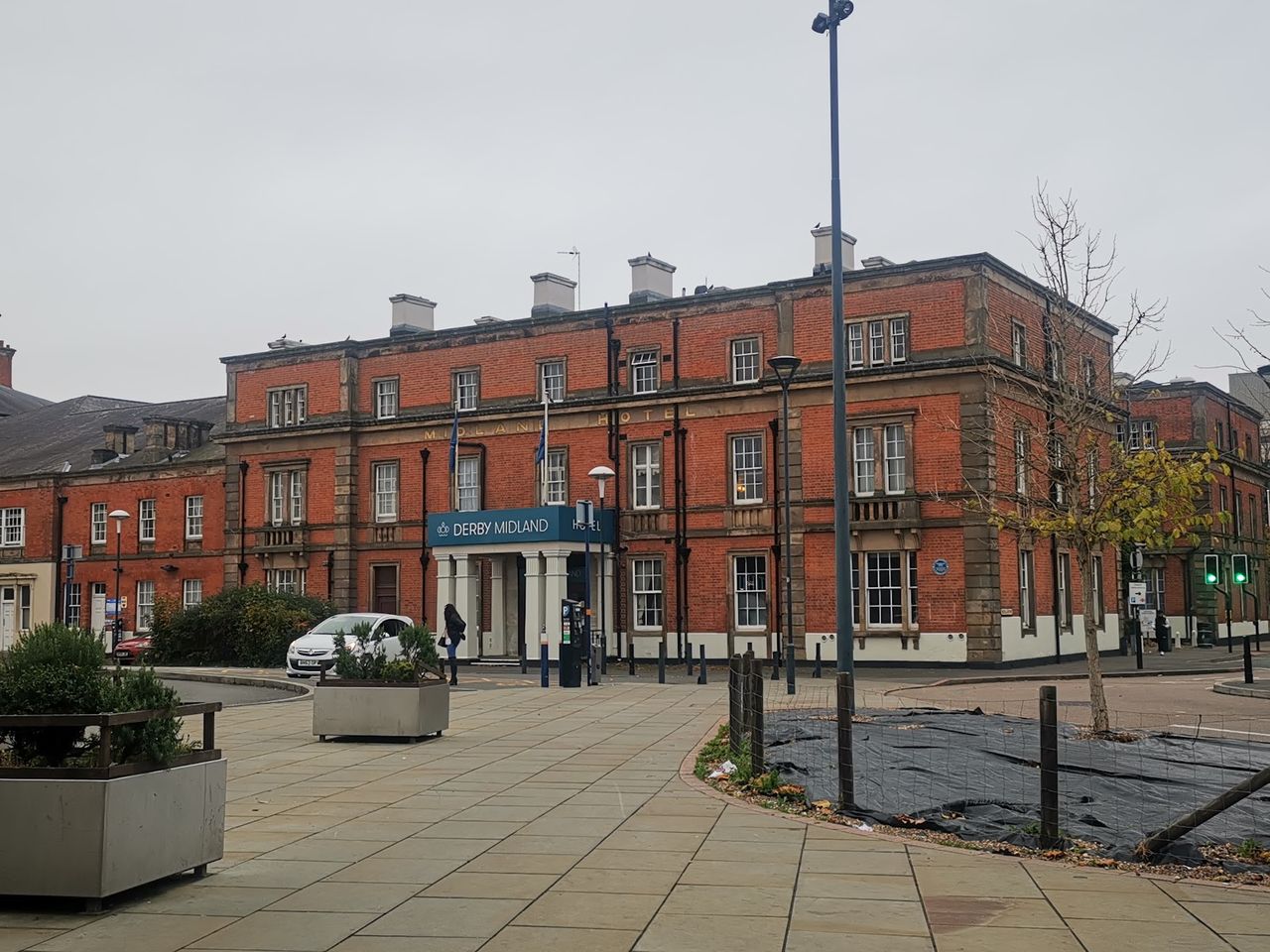 Derby Midland Hotel, BW Signature Collection — a Grade II-listed Victorian railway hotel opposite Derby station, among the oldest purpose-built railway hotels anywhere.
 - Cathedral Quarter Hotel — a boutique hotel converted from Derby's former police station, close to the cathedral.
-
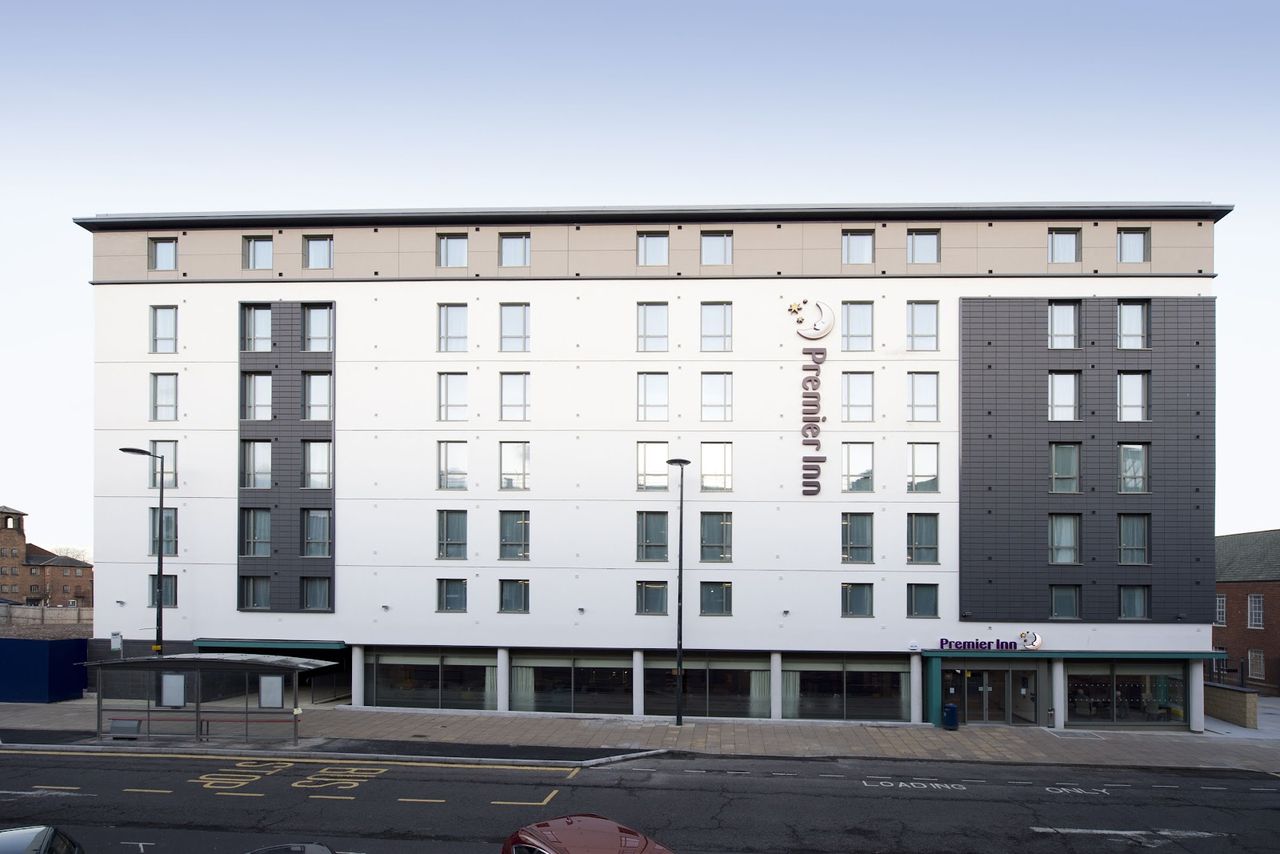 Premier Inn Derby City Centre (Cathedral Quarter) — a short walk from the Cathedral Quarter and the Silk Mill.
 -
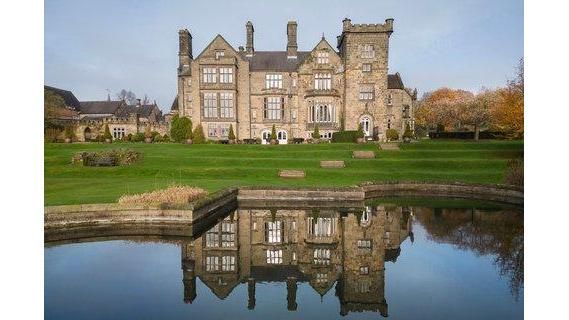 Delta Hotels Breadsall Priory Country Club by Marriott — a golf and spa hotel in its own grounds a few miles north of the city centre.
 -
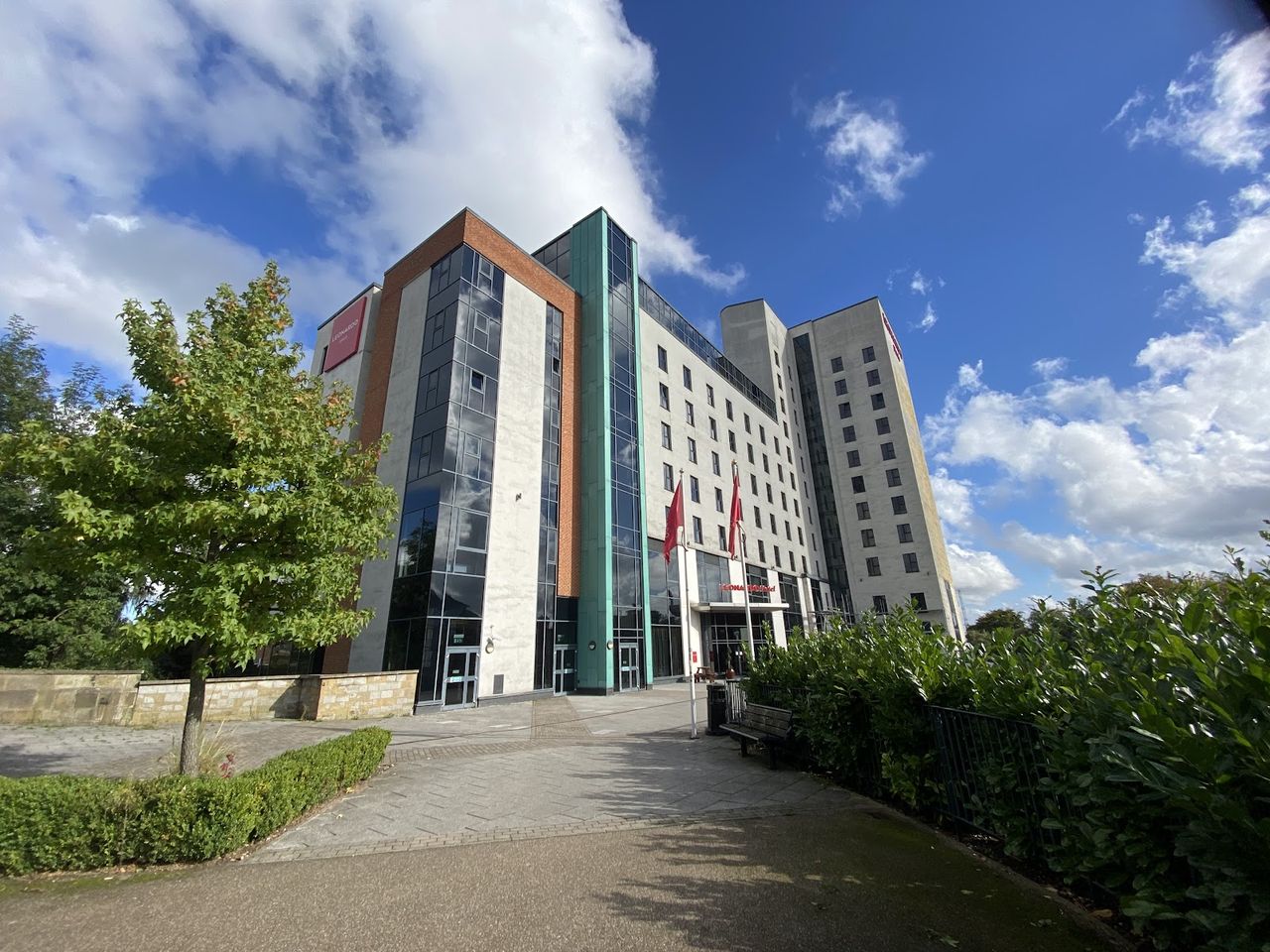 Leonardo Hotel Derby — a 10-storey chain hotel on King Street, in the city centre within walking distance of the Cathedral Quarter.
 -
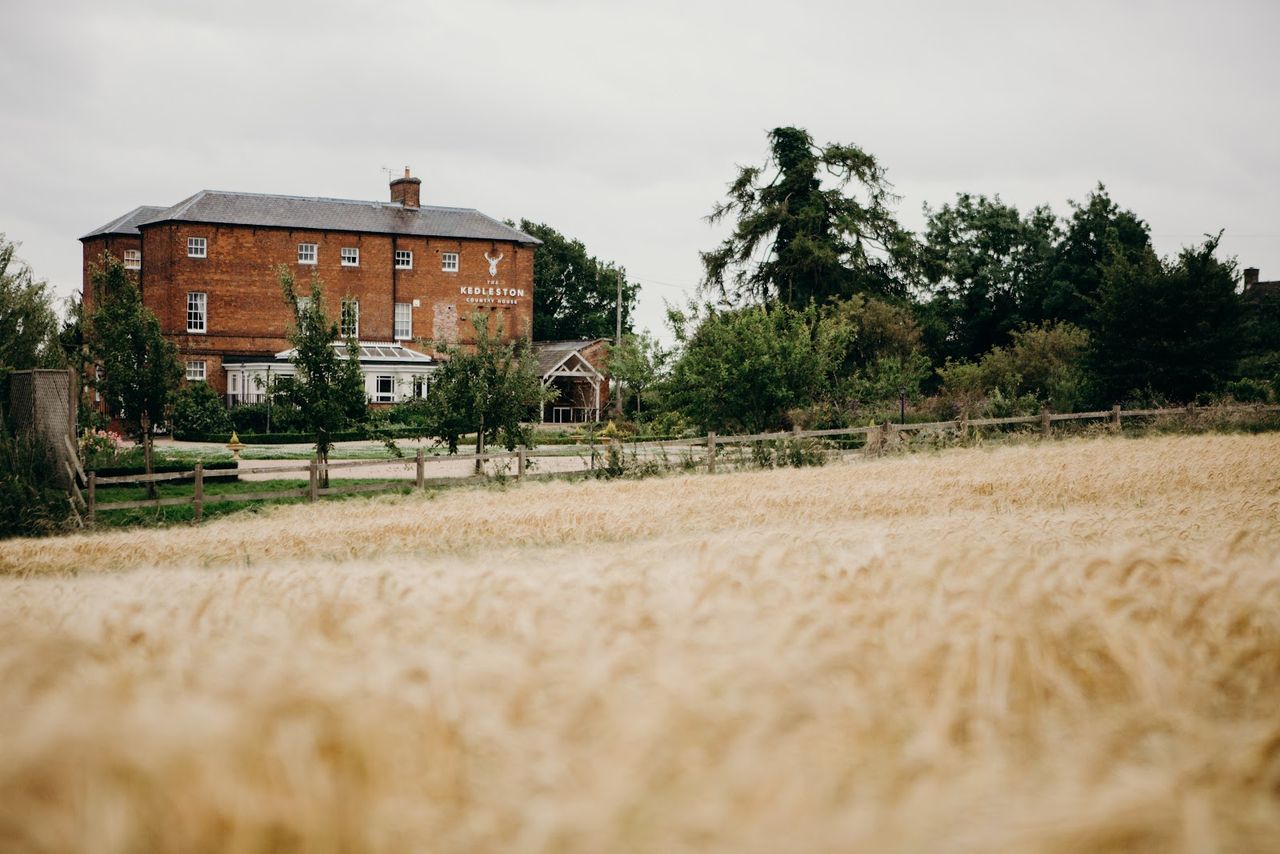 Kedleston Country House B&B — a highly-rated B&B on the northern edge of the city, close to the National Trust's Kedleston Hall.
Getting there
Derby station sits on the Midland Main Line, with regular direct trains to London St Pancras, Sheffield, and Nottingham, and it's a convenient base for day trips into the Peak District to the north.